

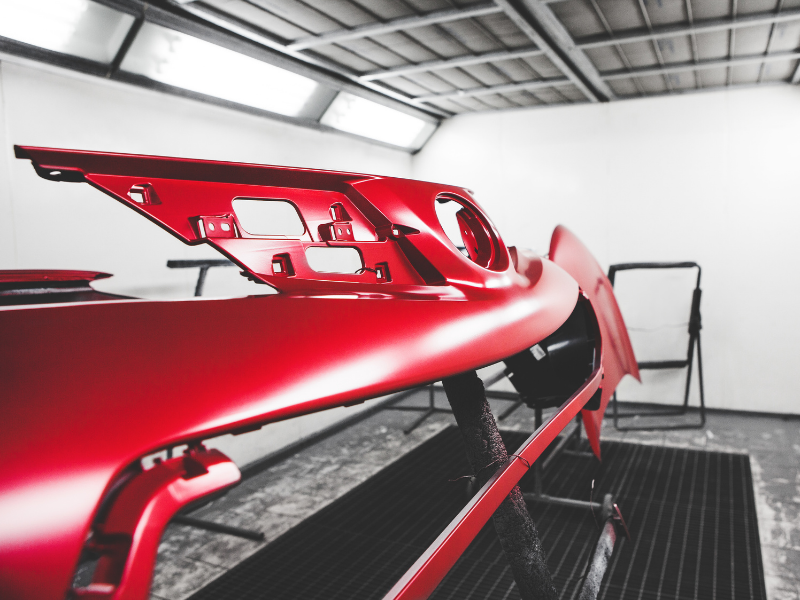
See how SANEZOO Coating technology can be used to inspect the painted surface of a car bumper for coating defects, surface irregularities, and colour consistency.
Inspection Challenge
Car bumpers are a challenging part to inspect. They are large, glossy (or matte), curved, and often painted in highly specific colours. Complex geometry includes edges, transitions, openings, rounded areas, and surfaces facing different directions. This makes visual inspection difficult, because defects may only become visible under the right lighting angle.
Ensuring that every bumper leaving the painting process meets the required visual quality is critical in automotive production. Even small defects such as scratches, dust particles, uneven coating, colour deviations, or local gloss differences can affect the final appearance of the vehicle and lead to costly rework or rejection.
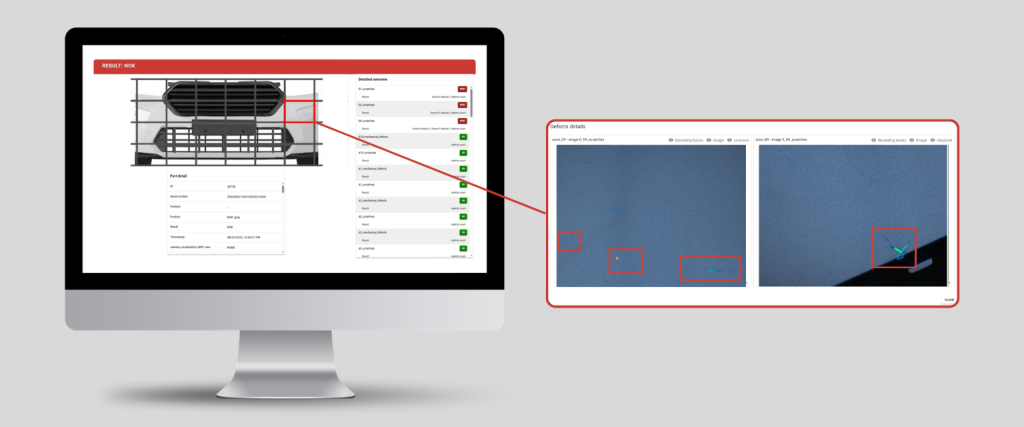
A painted bumper reflects light differently depending on its shape and orientation. A defect that is clearly visible on one part of the surface may disappear completely when illuminated from another angle. This is especially true for glossy coatings, where reflections can hide scratches, texture changes, orange peel effects, or small surface contamination.
For this reason, coating inspection cannot rely only on a simple camera image. The system must be able to control how the part is illuminated and capture the surface in a way that makes different types of defects visible.
Viewpoint configuration
SANEZOO Coating was used to inspect the painted bumper under controlled lighting and from defined viewpoints. The system can be integrated either as a static inspection station or as part of a robotic setup, depending on the size of the part, the required coverage, and the production layout.
For a bumper, viewpoint configuration is especially important since the part cannot be treated as a flat surface. Some areas are visible only from specific angles, while others are affected by shadows, reflections, or loss of contrast. SANEZOO Coating therefore works with controlled viewpoint positioning to achieve the highest possible visual accessibility of the inspected surface.
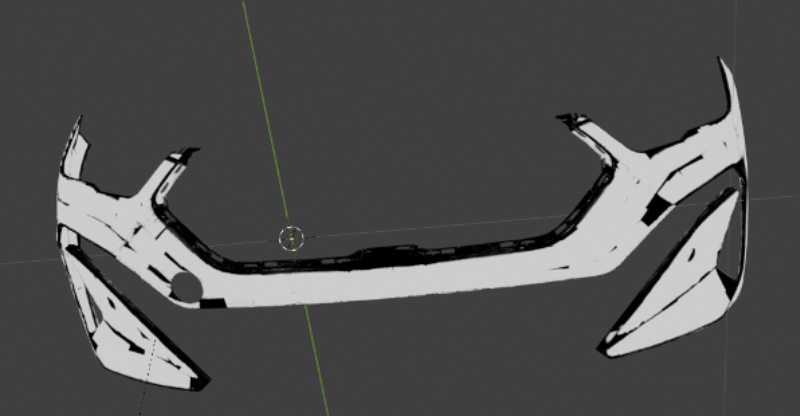
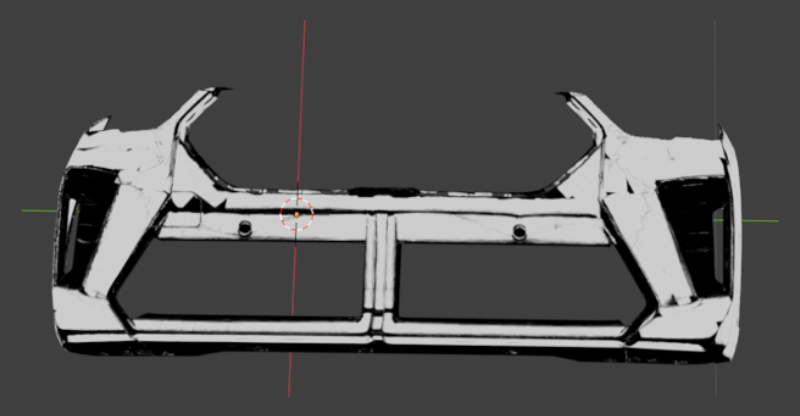

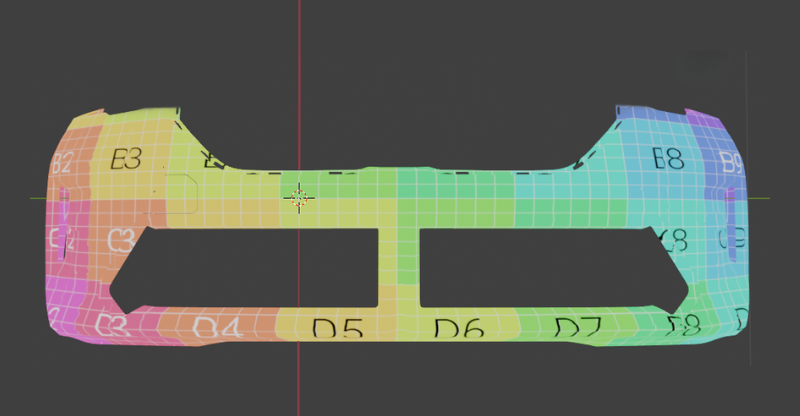
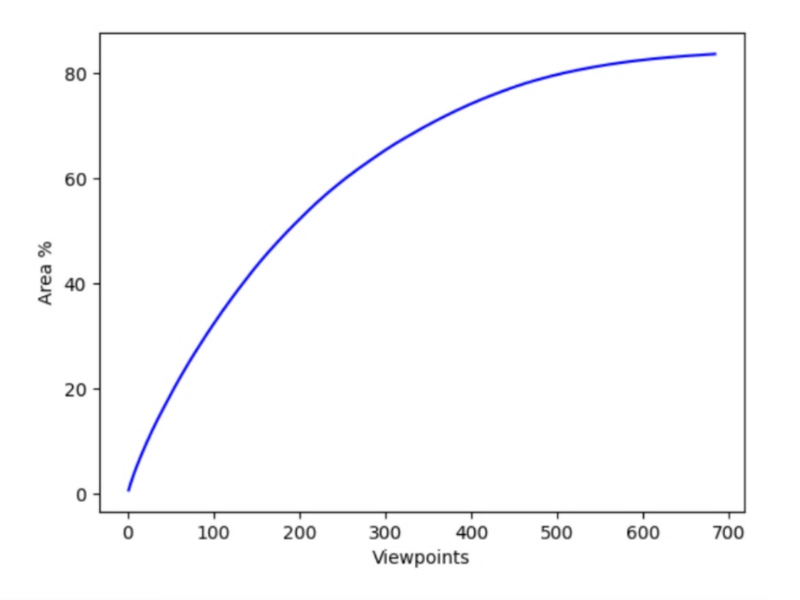
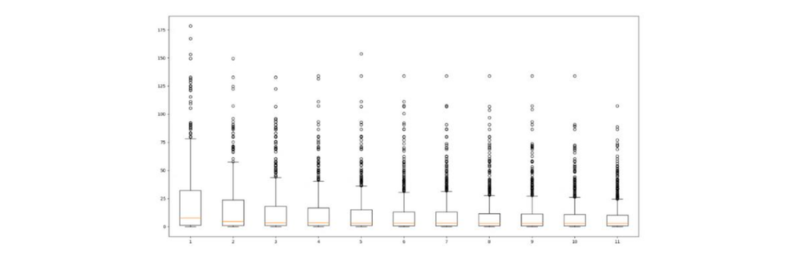
In robotic configurations, the system can define a sequence of inspection positions around the bumper. This helps minimize blind spots, shadowed areas, and parts of the surface where defects would otherwise be difficult to see. The goal is not to create as many images as possible, but to find the right number of viewpoints that ensures reliable inspection while keeping the cycle time reasonable.


Surface Defect Inspection
The system can be trained or configured to identify defects such as scratches, dust inclusions, uneven coating, local stains, coating drops, texture irregularities, or areas with abnormal gloss. These defects are often difficult to describe with fixed rules, because their shape, size, contrast, and visibility can vary from part to part.
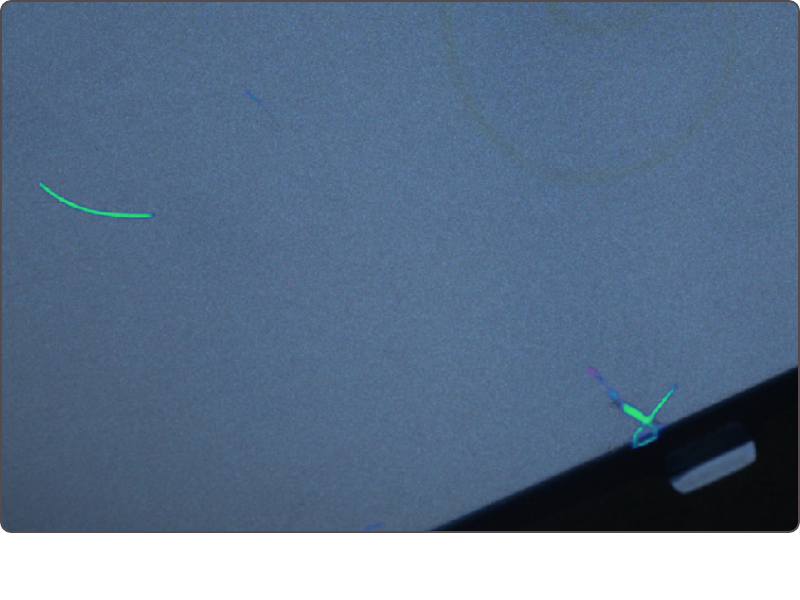
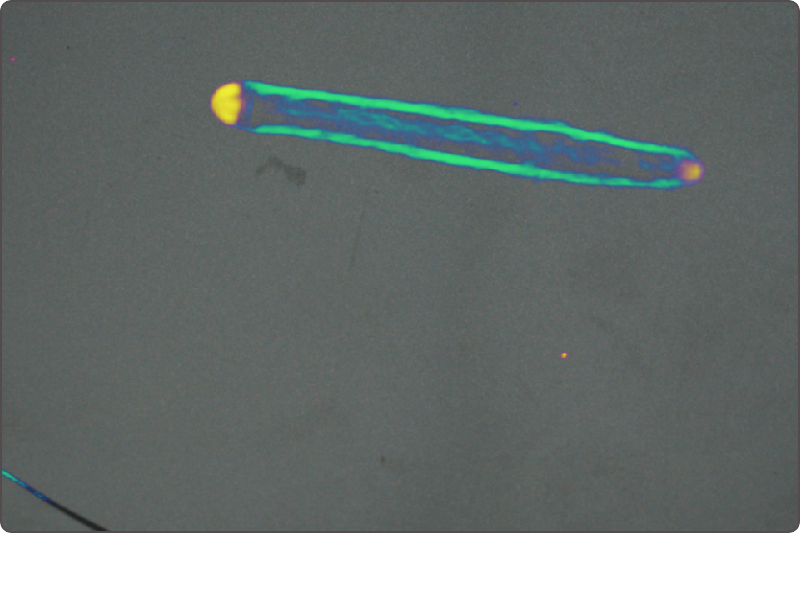
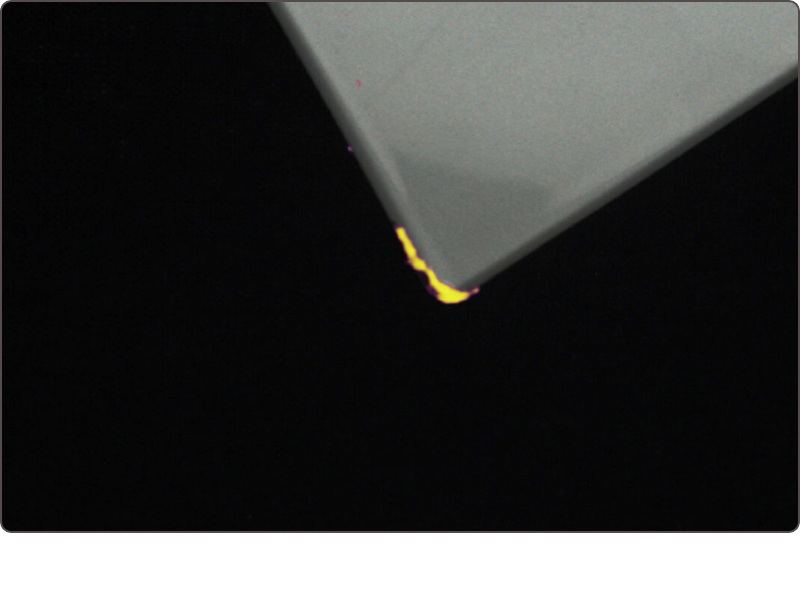

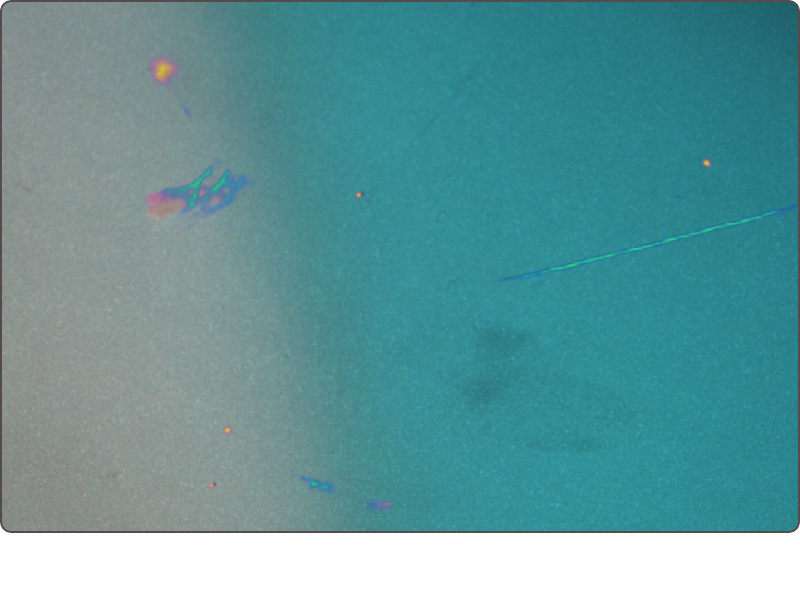
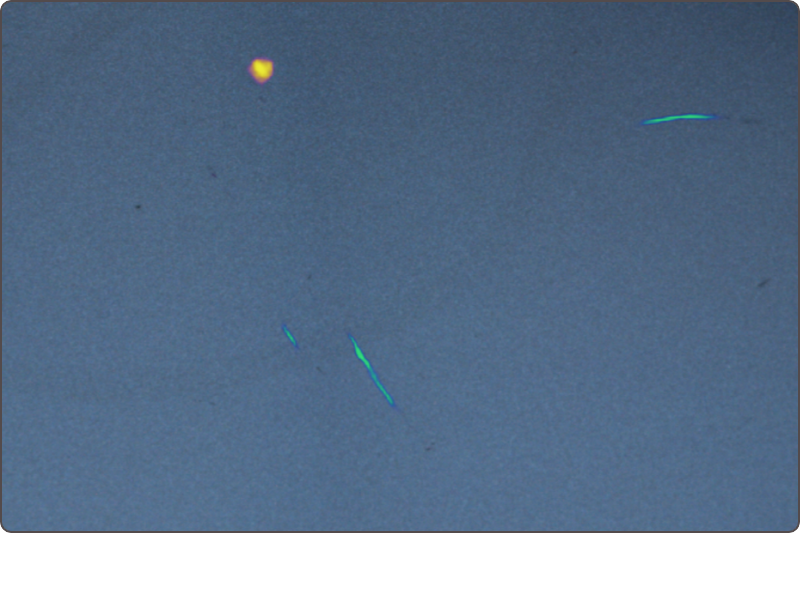
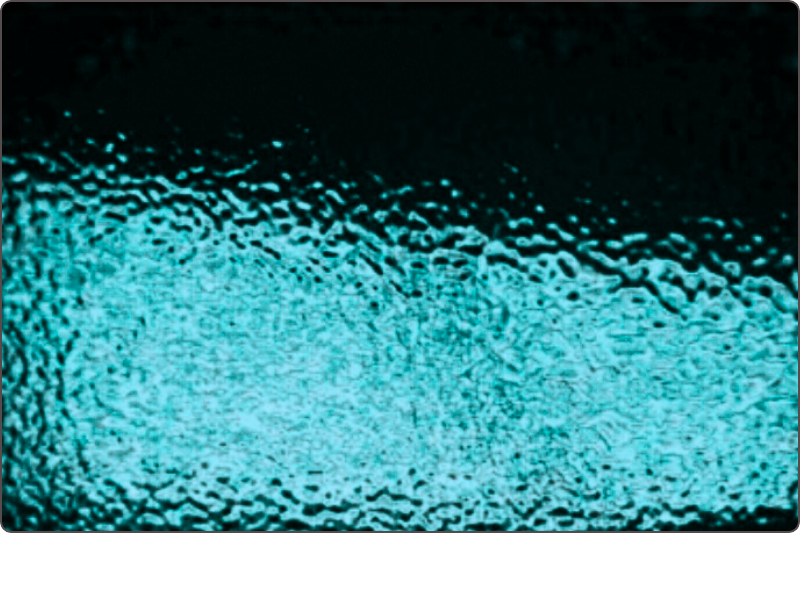


This is where controlled lighting becomes essential. Instead of taking one image and hoping the defect is visible, SANEZOO Coating captures the surface under conditions designed to highlight different defect types.
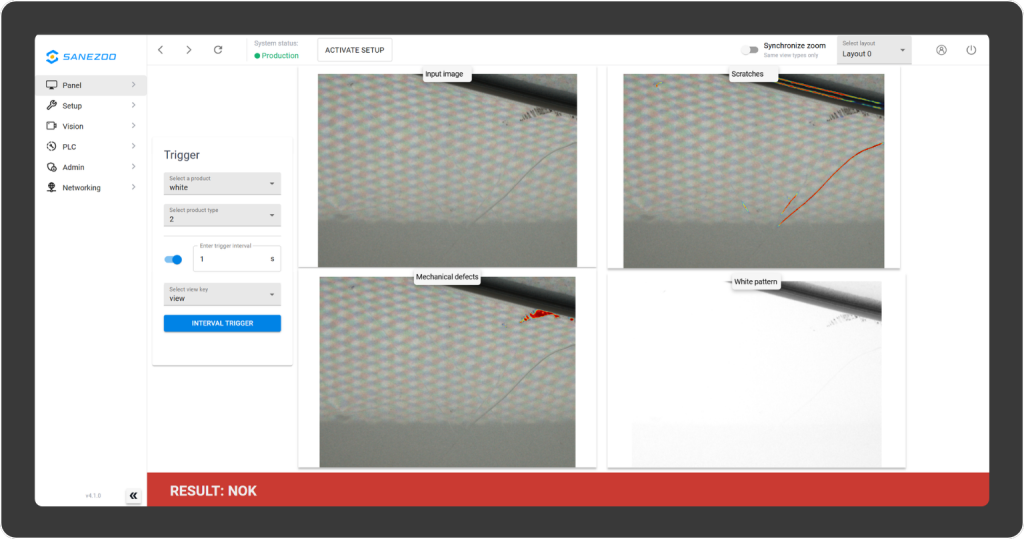
By combining the right imaging setup with intelligent analysis, the system can detect defects that would be inconsistent or tiring for human operators to inspect manually.
Colour Inspection
In automotive production, colour consistency is not only a cosmetic detail. A bumper must visually match the rest of the vehicle body. Even a small colour difference can become visible after assembly, especially under daylight or showroom lighting.
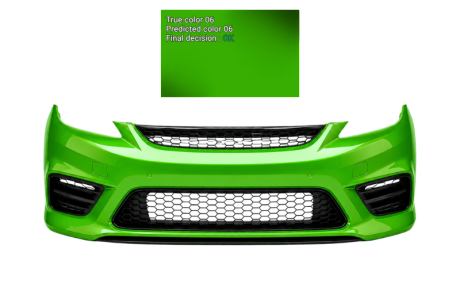

SANEZOO Coating can be used to compare the inspected surface against the expected colour range. This allows the system to detect whether the bumper coating is too light, too dark, shifted in hue, or inconsistent across the inspected area. Detection is possible across the full colour spectrum, including metallic and matte paints.
Colour inspection can be especially useful when several colour variants are produced on the same line, or when process changes may affect the final coating result. The goal is to identify deviations early, before the part moves further into assembly or reaches the customer.
Key Factors in Automotive Coating Inspection
Automotive manufacturers know very well why coating quality cannot be treated as a secondary detail. The painted bumper, for instance, is one of the most visible exterior parts of the vehicle, and the finish has to meet the same visual standard as the rest of the car body. At the same time, achieving reliable coating inspection is far from simple and faces some complex challenges:
By combining controlled illumination, surface analysis, and colour inspection, SANEZOO Coating helps make these checks more consistent and less dependent on subjective human judgement.
Consistent Quality Evaluation for Painted Automotive Parts
With SANEZOO Coating, manufacturers can detect NOK parts earlier, reduce manual inspection effort, and prevent visually defective bumpers from moving further into the production process. While this example focuses on a car bumper, the same principles can be applied to many other painted and coated automotive parts, including exterior trims, mirror covers, door handles, interior decorative panels, plastic components, and metal body parts.
SANEZOO Coating is designed for applications where surface quality matters. By combining the right lighting, imaging, and analysis, it makes complex coated surfaces easier to inspect in a stable and repeatable way.